Logie, S. (2025). Using medicated patches to treat hoof wall infections. UK-Vet Equine, 9(1).
Why it matters: This is direct equine hoof-wall research. In the study, copper sulphate powder used under a thermoplastic medicated patch produced the lowest reinfection frequency of the treatments tested. The author concluded that copper sulphate powder was the most effective topical treatment tested for preventing reinfection between shoeing visits. The paper also cautions against use where sensitive tissue is exposed.
Read more: UK-Vet Equine article
O’Grady, S.E. & Burns, T.D. (2021). White line disease: A review (1998–2018). Equine Veterinary Education, 33(2), 102–112.
Why it matters: This review looks specifically at white line disease in horses and supports the importance of proper hoof-wall assessment and mechanical management. It is useful context for why topical products should sit alongside appropriate debridement, resection or other professional hoof management rather than replace it.
Read more: Wiley article and DOI
Keller, M., Krehon, S., Stanek, C. & Rosengarten, R. (2000). Keratinopathogenic mould fungi and dermatophytes in healthy and diseased hooves of horses. Veterinary Record, 147(22), 619–622.
Why it matters: Researchers examined hoof horn from 187 horses and found keratinopathogenic fungi substantially more often in affected hoof horn than healthy horn. This provides direct equine evidence that fungi capable of affecting keratin occur in diseased horse hooves.
Read more: https://pubmed.ncbi.nlm.nih.gov/11128074/
Apprich, V., Spergser, J., Rosengarten, R. & Stanek, C. (2006). In vitro degradation of equine keratin by dermatophytes and other keratinophilic fungi. Veterinary Microbiology, 114(3–4), 352–358.
Why it matters: This study tested fungi isolated from diseased equine hooves and investigated their ability to degrade equine keratin. It gives direct horse-hoof context to the discussion about microorganisms and keratin degradation.
Read more: https://pubmed.ncbi.nlm.nih.gov/16377103/
American Farriers Journal (2019). Copper Sulfate Use | Farrier Business Challenges.
Why it matters: In an American Farriers Journal reader poll, 90% of responding farriers said they used copper sulfate in their hoof care practice. It provides useful professional practice context, although it was a reader poll rather than a representative industry survey.
Read more: https://www.americanfarriers.com/articles/11403-copper-sulfate-use-farrier-business-challenges
Navarra, K. (2018). Don’t Go Overboard on the Copper Sulfate. American Farriers Journal.
Why it matters: This article cautions against repeated use of caustic copper sulfate solutions on live or sensitive tissue, while also distinguishing that from commercial hoof preparations with an established safety and efficacy record. It reinforces the point that concentration, formulation, tissue type and professional use all matter.
Read more: American Farriers Journal article
Boone, C., Bond, C., Buhl, K. & Stone, D. (2012). Copper Sulfate General Fact Sheet. National Pesticide Information Center, Oregon State University Extension Services.
Why it matters: This is the source behind the commonly repeated statement that copper in copper sulfate binds to proteins. Importantly, the fact sheet describes that mechanism in fungi and algae, where cell damage and leakage can occur. It does not demonstrate that the same mechanism automatically degrades keratinised equine hoof wall.
Read more: NPIC Copper Sulfate General Fact Sheet
Boone, C., Gervais, J., Luukinen, B., Buhl, K. & Stone, D. (2012). Copper Sulfate Technical Fact Sheet. National Pesticide Information Center, Oregon State University Extension Services.
Why it matters: This archived technical fact sheet provides useful chemistry and mode of action information, including copper sulfate pentahydrate and copper sulfate’s recognised algicidal, bactericidal and fungicidal uses. It also explains the protein binding mechanism in fungi and algae. This is background chemistry and toxicology information, not equine hoof efficacy research. NPIC notes that its archived technical fact sheets are no longer routinely updated.
Read more: NPIC Copper Sulfate Technical Fact Sheet


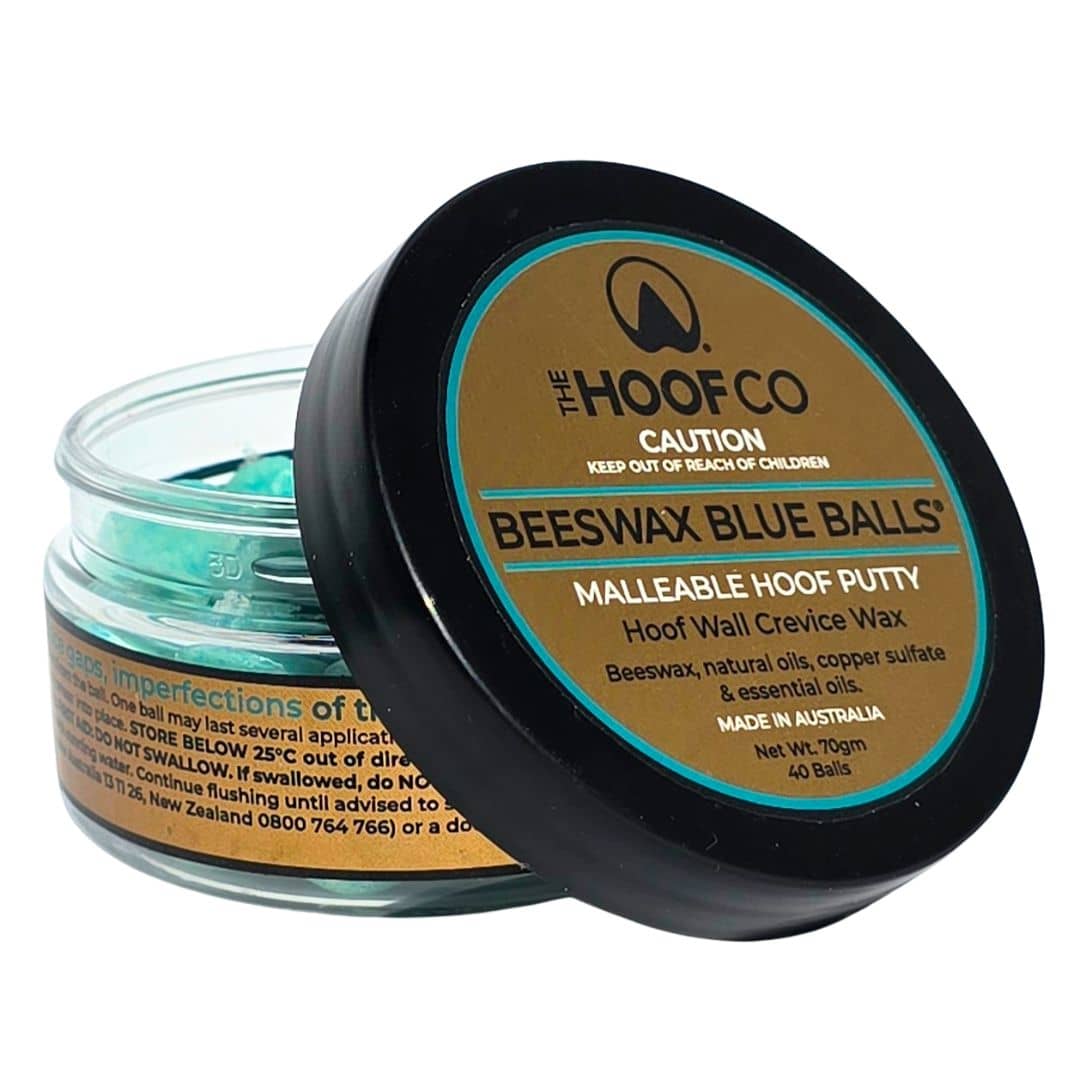




Great article on copper sulphate. Have been using blue balls for years on resected crevises to keep out debris whilst growing out. Before that tried many other products would now only use blue balls great product great informative article thanks
Leave a comment